
City Council race
October 13, 2026
Compiled By Josh Linehan & Jay Roe
The Brookings Beacon/Brookings Radio
Editor's Note: As part of our public service mandate, the Beacon and Brookings Radio offered interviews with all candidates for local office. Their answers are reproduced faithfully here, edited and condensed for style. Full audio of these interviews is also available on the Brookings Radio website. The following is our interviews with five candidates for two spots on the Brookings City Council: Incumbents Brianna Doran and Lisa Hager and challengers Al Austreim, Shawn Hostler and Wade Wantoch.
Can you tell us about your background and why you’re running for office?
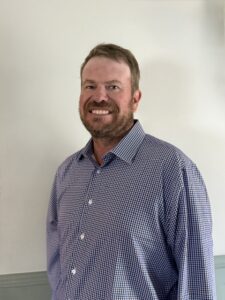
Austreim: I am running for office because I have a passion for Brookings. I’ve lived here for over 30 years. I raised my family here. I’m a small business owner. Graduated from SDSU. And I just felt it was time — we had too many unopposed elections, or maybe we only had one candidate vying for challenging two spots. I felt it was time. I’ve been working on this for about four years now. I’ve been on the ballot the last three times, and it’s something that, like I said, I’m passionate about it, and I’m willing to stick it out.
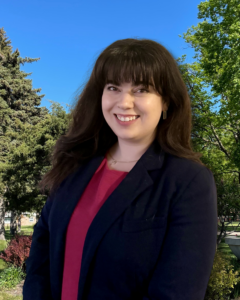
Doran: Absolutely. Thank you so much for this opportunity. I grew up in Rapid and found my way to Brookings via SDSU, like a lot of our residents do. After graduation, I found an opportunity with a career in our nonprofits, and it’s led me to my current occupation as Executive Director of Margot’s Place, which is our emergency shelter and crisis hotline that we offer in this county. And staying with Brookings, I held a number of leadership roles with the Brookings Council of Nonprofits, the Mental Health Coalition, the Brookings Disability Awareness Committee. I’ve grown to hold leadership positions with the Brookings Backpack Project Board, as well as the BATA Board, And I heard a lot from individuals in town, kind of the top three dreams that they have brought to this community: I want a place to live. I want to afford to live in Brookings. I want to enjoy my job and focus on work here, and I want to have fun. So we look at the three categories of live, work, and play, and how the city has an integral role in that, and that’s led me to my personal commitments on City Council for the last four years.
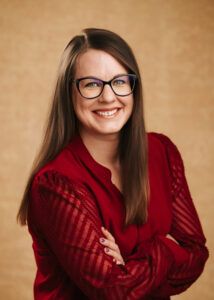
Hager: I’ve lived in Brookings now for a little over 11 years. I moved here for my day job at SDSU as a political science professor, where I teach classes on American politics and constitutional law. During my course of time here in Brookings, I’ve gotten involved in the community in a variety of different ways. I quickly got involved with the young professional committees through the chamber and the Economic Development Corporation, I joined Rotary. I was asked to serve on the city charter review commission, and so that was really my introduction to all things with the city because I got to look at reviewing what is essentially the city’s constitution And then there was a vacancy on the Brookings City Council, and I thought this was a really good opportunity to continue my service to the city, and I decided to throw my hat in the ring because I thought I had a variety of skills that would be beneficial to City Council. I didn’t go in with any sort of real agenda per se, other than just to continue making Brookings a place where you can really bring your dreams and thrive.
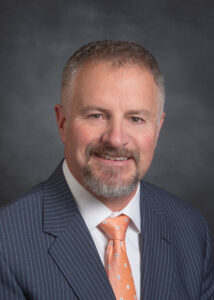
Hostler: I’ve been a Brookings resident for 26 years. Started working at the sheriff’s office and putting myself through college. Met my wife Tracy. We’ve been married for 19 years, and I have a 18-year-old son Tristan, who is a senior this year. So that’s kind of my background. I currently serve on the Brookings County Commission in my fourth year, but I am, like you said, a candidate for the Brookings County City Council this year, and my city council belief is you know government should be responsible for taxpayer dollars, open to the public, willing to listen, and focus on serving the people in Brookings, and and I feel that with my history, this past four years on the commission, I have that, and I can bring that to the city.
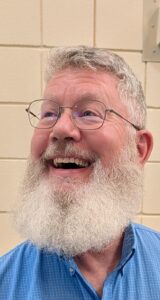
Wantoch: Thank you, and I appreciate this opportunity. I have lived here in Brookings now for about 29 years. Not a native-born Brookings resident. I grew up in Pierre. Spent about 10 years after high school in the United States Army. After the Army, went to college to get that piece of paper that certifies how smart I am, and to pay the bills, ended up working in manufacturing temporarily. Well, temporarily turned into 27 years, and I started working on the floor, an assembly line at Larson Manufacturing for a few years, and then I went to 3M, as we now know as Solventum, and there I started as a machine operator for a few years. Got in the quality department, worked in the labs for a while. Spent the last 10 years as the site document administrator, which is every bit as exciting as it sounds. Kind of a boring job sometimes, but important, has to do with regulatory control. I recently retired this last February, and I thought, you know, I’ve lived here in Brookings a long time. I do volunteer work. I help with Sleep in Heavenly Peace, which, if you give me time, I will go on at length about because I think it’s an amazing charity. I help teach fifth grade religious education at my church. I visit nursing home residents on every other Sunday to help remind them that there are people that do care about them. And I thought, you know, what else can I do? Well, to be honest, like many people, I tend to complain a lot about my government’s decisions — federal government, state government, city government. Well, if I’m going to complain, I should be willing to do something. So I thought, let me step up. Let me make myself available, run for city council, and see if I can help make a community that I have really fallen in love with make it just a little nicer.
What is the single biggest priority you hope to accomplish if elected this November?
Austreim: My number one priority is transparency and representing the community as a whole. I believe that every citizen should be listened to. My motto is listen, learn, lead. Everybody should be listened to. I’ve met with a lot of people one on one, and I encourage anybody to get a hold of me if they want to have a conversation. I could care less what it’s about, and even if we’re on opposing sides of it, that makes for a much better conversation.
Doran: I will actually mention two priorities because one, I think I have direct control over as an individual, and the other is kind of a team effort on council. So, as an individual, a top priority has consistently been public engagement and transparency. I’ve tried a number of different ways to really meet the community where they’re at. We’ve tried some fun videos of how to engage with council and how to reach us. We’ve tried community coffee opportunities. We’ve tried virtual community hours. We’ve been very intentional at more quorum notices. We’ve had record numbers year after year, and really seen how we can adequately engage the community in the way that they want to be engaged with city operations. So continuing that priority of having that personal responsibility that I can’t expect individuals to just reach out to me. I need to be available locally, and that’s why I’m as engaged as I am because I want to overlap with as many demographics as I can. The second priority would be as a team, and I would say the biggest project that we’re working on is our public safety center.
Hager: I’d like to see some of our major projects seen through. So, the repurposing of the Dacotah Bank Center. So, in particular, trying to figure out how to make sure that that facility meets community needs, but also is using taxpayer dollars effectively. The repurposing of the Old Armory downtown, I’d like to see that through as well. One of the things I want to continue to be able to influence moving forward is what I see as a challenge for Brookings, which is really land use moving forward because we are landlocked, and so we can’t just continue to creep outward as we’re developing Brookings, and we are poised to become the third biggest city in South Dakota.
Hostler: It’s really transparency, making sure that our city residents know what’s going on in our city government, have a voice, and ultimately, you know, they’re not going to agree with every decision. But it is really bringing our decisions to make sure that they know what’s going on.
Wantoch: For me, actually making Brookings in reality nicer, not just creating a facade of being a welcoming place — changing the first letter of our name to a lowercase b because it makes it seem friendly, or trying to install decorative islands in the middle, you know, of a turning lane on a road because it looks nice. We don’t need to look nice or create an image, we can do things. Things like, and this a lot of people don’t like the idea of it, but Brookings does not have a homeless shelter. There are people that, for whatever reason, are sleeping in their cars, maybe on the street somewhere. Well, that’s unacceptable, and we can do better. We can maybe create some kind of shelter. Right now, my understanding is that they’re bussed down to Sioux Falls. They’re just kind of pushed off on someone else. Well, we can take a little responsibility for our fellow human beings and care for them a little bit. The Brookings Humane Society, their shelter is wildly overpopulated with animals that need homes. The land has been procured for a larger facility. We can work toward that. I hear people talk about Brookings is a university town, and in some ways, we are. But I believe, first and foremost, we are a manufacturing center. We are filled with working-class people that go to work in a factory, they do a good job, they work hard, and they should be able to go home to a home, not an apartment that is woefully in need of renovation. We don’t really have a lot of affordable housing in Brookings. There’s tons of new housing construction, but let’s be honest, these houses are not what we would traditionally call affordable. You know, looking at $400,000 or $500,000 for a lot of these houses, and the reason they do that is because, being a manufacturing center, we have thousands of engineers, and I appreciate these engineers. They help those factories be successful. Well, they also make a great deal of money, which allows them to buy these very expensive homes, which is why the builders build them because they can sell them. But there must be something we can do to allow the people that aren’t highly paid engineers to have a house for their family with maybe a yard for their kids. That’s a huge concern for me. I’m not so much worried about creating more jobs. I know for a fact that pretty much every manufacturing business in Brookings is hiring continuously. So the jobs are there. We just need to get people here, and they won’t come here if they’re not going to have a decent place to live.
The adoption of Flock cameras by the Brookings Police Department has generated a debate about privacy rights and mass surveillance. Where do you draw the line between crime prevention and personal privacy — and what type of city-level oversight would you support to ensure these systems aren’t misused?
Austreim: I have visited with Chief Drake in person, and I do understand his point of view. I also can kind of understand citizens’ point of view. We are in the technology age where you know everything is — once it’s online, it’s out there forever. So there needs to be safeguards in place. You know, I’m on the Brookings Police Department Foundation, so I support our police and I support what they do and what they need to do to do their job. The only thing I would say is I would like to have a little bit more conversation and a little more in-depth knowledge of just exactly where the information is, where it goes, what happens to it after that, just to try to ease citizens’ concerns.
Doran: I try to be pretty engaged with our first responders and try to understand their operations and get to know our officers better too to be more informed. So, with Flock, this has been a conversation that I had probably eight months ago with a constituent, and we’ve been trying to figure out, really digging down into the conversation. What are the concerns? What is like an operational decision with city staff? What is council’s oversight? And then what is the community’s appetite with this conversation too? So this has been a multi-month conversation and process. … From all of those conversations, I will say that I am still in that conversation. Truly, I want to be really mindful of this because, like I said, there have been so many cases that have been solved with this investigative tool, and the police department is at a time where we can’t have a lot of overtime. We’re limited on staff.
Hager: In early 2026, we started getting questions not only in public forum but also in emails about this. My initial approach was to try to make sure that we’re getting those questions answered from our chief of police because he’s the one who’s more intimately knowledgeable about what’s actually going on with that. And so, what I’ve noticed is as we brought those answers back, there were more questions that the citizens were having — so ultimately we got to the point where we needed to have Chief Drake come in and give a presentation about the police department’s use of Flock cameras. So at our most recent council meeting, the five and a half hours marathon which you can go and watch it on YouTube, so you get a better sense of just this particular topic. If if that’s something you’re interested in. After his presentation, we still had citizens who expressed concerns. Chief Drake has made a variety of strides to ensure that there is some information available to the public about what’s happening with the use of Flock in our community. And so, my hope, as some of these developments are discussed more, that we’ll get even more feedback and see if some of these changes that we made have been sufficient.
Hostler: I kind of have a unique perspective on this, as I was in law enforcement for 16 years and 14 years right here in Brookings. The automated license plate readers are a great tool to help solve crimes, locate vehicles, and all that. I don’t necessarily think that they are big preventers of crime, but you know there are some concerns that have been brought up about the privacy issues, and I know the last city council meeting they were talking about the tracking and everything. The biggest thing I see is having policies in place at the police department level to make sure that the officers are using them in the correct way. I was told one time that law enforcement is the hardest job to get and it’s the easiest one to lose, and we have to trust our law enforcement officers are using those tools to the best of their ability and in the correct way, but if they aren’t, and it is discovered that they aren’t, to take swift, appropriate action to either reprimand or terminate, so that that information is utilized in the right way. As for the tracking, there are only seven of them in use. Honestly, I think we need to be more concerned about the tracking and the stuff with our cell phones and things like that. So we really need to look at the tools and who has access to that information.
Wantoch: I’ve talked with a lot of people about this, and a lot of the knee jerk reaction is, oh, this is unconstitutional. Well, I don’t think that it is. I’m not an expert on constitutional law, nor did I stay at a Holiday Inn Express last night. But in reality, when we’re out driving in our cars, we don’t really have an expectation of privacy, and these cameras are being used to help solve crimes. I don’t have the details of those crimes, but I know the various law enforcement agencies are using them to great effect. That being said, we’re also seeing evidence that they’re being misused. Not necessarily here in Brookings. I haven’t heard of anything in Brookings, but nationwide, it’s in the news. People are using them to stalk ex-girlfriends or boyfriends or what have you. So that’s a concern. Now I know that here in Brookings there are safeguards put in place. They have rules for its use. They only share it with I don’t know the numbers like 1200 or 1500 organizations, so that’s fairly significant. I don’t know what those organizations have for policies, because my concern isn’t so much that oh hey they’re scanning my my license plate. It’s okay they store that data. Who has access to it? How is it used? Now, I see the benefit of these cameras, and I think that it’s something we’re going to have — I don’t think they’re going away, but I think we can have common sense measures put in place. It’s usable, but we have a little safety net to make sure it’s not being misused.
The Public Art Commission’s $250,000 purchase of a sculpture for Dakota Nature Park generated debate about both the size of the investment and the selection of an out-of-state artist. What is your position on the role of city government in promoting public art?
Austreim: I believe that art and all things like that have a place. I would be a little bit hesitant about tax dollars if they are being spent on things like that. I think that’s something that more the private sector should be funding. If tax dollars are going to be used, it should have been a very transparent bid process as to evaluating where the art is coming from. The renderings that I’ve seen of the art, they look very nice. I’m not sure they’re quarter million dollars nice, but the other thing is with my background and whatnot in the nature park. I mean, I’m outside every day. If we’re going to invest in art like that, I would put it somewhere else besides the nature park.
Doran: Sure. So we do have a public arts commission, and that’s a volunteer board that I am very supportive of with their work. They’ve done a lot of great work, like the Bob Shelden baseball glove. They also just partner with different opportunities around town for murals, and when you look at public arts as a concept and a topic, it beautifies our community. So to fund it, we have a couple of different funding mechanisms. One is we put 1 percent away every year to fund public art. That was a decision that previous city councils made years ago, so there are always reserve funds. And then when the funds get to a certain point, that’s when the public arts commission, as a volunteer board, takes it upon itself to see what is a gap in the community to add public art. They use that funding that’s already there in the reserve funds. They go through a national bid process, and they just bring it to final approval and promotion at City Council, so that they can receive public input. They can talk about all the work that they’ve done and kind of their projects for the future.
Hager: So that’s an issue that occurred while I’ve been on council, and I did vote in favor of that appropriation, and so I can walk you through exactly why I approve that from my standpoint. So we do have a city council policy that devotes a small amount of funds every year to our public art commission, and so with that they focus their dollars that they receive on ongoing maintenance of existing public art projects, then also ensuring that they’re pursuing other smaller art projects, so some of the utility box wraps that you’ll see around town, and then larger art installations, so like the baseball bats and the mitt that we have in Brookings. And so in order to fund those larger art installations, they have to save a lot of their money in their reserves, they start identifying locations where they think that would be beneficial. So they had identified the Dakota Nature Park, and so they went out for a national call for a project that would really highlight the entrance to the Dakota Nature Park. So our main entrance, while visible, could be little bit more attention grabbing. So they went out with this call for proposals. They had some finalists come in and give a presentation, and then they ultimately selected the project with artists out in Oregon, so at that point is when it got brought to us as council, And we had some questions from the community about why it wasn’t a South Dakota artist selected, and so we asked that question, and they said only two had even applied. And so, from that standpoint, I felt confident in the fact that they were using that rubric to ensure that all applicants were being treated equitably. I understand where people would want a South Dakota artist to be selected, but at the same time, there’s not a lot that we can do in terms of ensuring that there are additional applicants when they are going out on that nationwide call.
Hostler: I think public art in Brookings is a great idea. We see a lot of it down on Main with the crosswalks and the wraps on all of the electric boxes and the outdoor adventure center about a year or two back put some art up there. If you’ve been out there, it looks like there’s three or four arrows stuck in the ground out in front of there. I think that responsible spending is the way to go. Now that was through an artist, a local artist, and I think the county paid maybe up to $10,000. I don’t know how much it was. It was less than $10,000 for that. I would have liked to have seen that art for the nature park stay to a local or in-state artist, and I believe there was one — there weren’t very many proposals brought forth. Was it a little excessive in spending? I haven’t seen what they’re going to put out, but 250,000 seems like it was a little expensive for some art to go out there. But I would have really liked to have seen it stay local, if not in state, for local artists to really showcase their talents.
Wantoch: I think the city government does have a role in helping to support local artists. We’re a city government. We should support people, artists here in Brookings. They’re the ones that need the help the most. Somebody who is a name. at a higher level? Well, they’re on their way. They’re getting support elsewhere. So supporting local artists, I am all for that. This specific one, honestly, I think it was a poor purchase. It’s a lot of money, and as my understanding is, it’s a sculpture of flowers, I think, on the edge of a nature park. Are we seeing the irony here? Could we not have taken that money and hired some horticultural students from the university and had them actually create a real flower display — again, not a facade, not an image, but a real thing. Have local artists come in and create something. Have local artists compete for the right to create a sculpture if we’re really dead set on a sculpture. But yeah, keep the money local.
This summer, the city purchased the former grain elevator property at 210 Front Street for $450 thousand. What do you envision as the best long-term use for this site — and what role should city government play in future downtown development?
Austreim: I think that that site never should have been purchased by the city. Government does not belong in real estate transactions. I’m not afraid to say it, and I’ll say it right now: that Target and Aldi being in Brookings is great. I feel that they would have been here earlier if the city hadn’t been involved in the marketplace. When the city purchased the marketplace, they basically took it away from private developers. If a private developer had purchased that property, they would have been paying property taxes from day one. A private developer would not have been able to have it sit idle for 20 years. Grain elevator, same way. I wasn’t at the auction, so I don’t know who else was bidding on it. But I’m going to assume that it was not another government entity. So if a private person would have purchased that, it would have stayed on the tax rolls, same way with the Dakota service buildings and all those properties along there. Anytime the city buys property, it takes it off the tax rolls. So not only are we buying it and spending the money, but we’re also reducing the income through our property tax streams. I believe that that property has a lot of liability in it, with that elevator being there, removing it will be a tremendous cost. Painting a mural on it will be a tremendous cost, and what kind of return on that investment will we get? I think anything like that should be looked at from a business sense, because essentially that’s what city government is doing — they’re spending the taxpayers’ money to give them a return on their investment, and that investment in particular, I don’t think, was a good one.
Doran: So we have a downtown master plan that was put into place a couple of years ago, and with that master plan, that really led the guiding vision for the green space, maximizing the space, assisting with programs, and maximizing opportunities with local business owners, and really leading the vision long term for downtown. Part of that was with connectivity and green space, and with land in our community, it’s kind of you got to take advantage of it when the opportunity arises. You can’t really wait on it because it is not a well-kept secret anymore that we are landlocked. … And we want to be really strategic and intentional in development and bring the best services that we can to our community. We have to to jump on those opportunities. So I went and with a couple other council members, and we actually walked through before it even went up for bid, and we toured the space and we talked about different ideas. Right now we haven’t finalized anything. We’ve talked about keeping the silos up and putting a big mural on it and having that be a public art piece. But the ground itself we could use for green space. I always say, if downtown parking — and I understand it’s a big conversation — but if that is the highest need, I want to match what the highest need is.
Hager: So we acquired that property on auction, and really the reasoning behind even trying to pursue that in the first place has been this idea of the downtown master plan, where, like I talked about with the Old Armory, there’s been this desire by citizens when that master plan was being created to ensure there was some sort of third space, public square down there. So our initial thought was that can help us try to pursue that, and then of course with this armory project, I think that is very beneficial. The other thing is we already own other city property down there, so even if it just ended up being more of a parking lot, I don’t think people would have you know disagreed too much on that, given some of the challenges there. But long term, I would say with respect to that project is now that we have this armory proposal coming forward, I think that space can be brought into this. One thing I talked about was if there’s a way that we could envision a way to show more of a pathway to Pioneer Park in some shape or form, so if you’re thinking, you know, when we have the Arts Festival, here’s how you can actually get from downtown to the Arts Festival and back, and I think that would be a really nice way because I know some of our downtown businesses are trying to capitalize on that as well. So I could see it as that you know we’ve seen other communities where they’ve been very creative with the grain elevators. They’ve been able to turn them into boutiques inside, but at the very least do like public art on the outside. So tearing them down doesn’t necessarily have to be what do. But I really envision it moving forward as something we can hook into the armory project and just continue to pursue what citizens have said that they desire moving forward.
Hostler: I think the city really needs to partner with our regional growth alliance in when it comes to local development because with our economic development, they’re the experts in that, and those are the partnerships we need to really foster. That purchase seemed like it came out of left field, and it wasn’t on anybody’s radar. And all of a sudden, it was there on auction. And they were the high bidder. And we had a local company that was bidding up to I think it was 400,000 for that property. And the city outbid them. Well, I don’t know for sure what the idea behind that was? If they were wanting to turn it into parking, I haven’t seen what the city thought that they needed to purchase that property for. But that is the whole reason. One of the reasons that I’m running is I want to make sure that our public knows what’s going on before it happens, and we get that information out there sooner. But I think the city does have their master plan. Of course, it’s a living, growing document. But we really need to partner with our our economic development and our developers in our community to find out what’s what’s best for Brookings moving forward.
Wantoch: To be honest, I don’t know enough about this issue. I don’t know the regulations concerning the use of land next to a railroad. I have heard some things. I would have to look into this more deeply. I suspect that our options are limited on what we can do with this land because of where it is next to the railroad track. I think there may have been a lack of contingency planning, which I’ve seen before. There’s the jump into a project and boom, let’s spend this money because we can do a thing, and maybe not enough research is done to find out if we can actually do a thing with that. And now we’re we’re stuck with this that we’re going to also have to pay to have the old elevators torn down, because I’m sure there’s a safety issue there. So that’s more money, and then there’ll have to be additional discussion and research and try and find out what, if anything, can be done with that land. I mean, did we just buy some really expensive grass that needs to be cut? I don’t know for sure.
After public-private partnership efforts to convert the Old Armory fell through, city leadership proposed shifting the site into an outdoor gathering place for events like the Farmers Market and Downtown at Sundown — a plan that requires demolishing the old armory. What are your thoughts on this vision?
Austreim: I am not opposed to parks. My take on that is lack of transparency. That deal falling through was just announced a couple weeks ago, but yet at the meeting two nights ago, we had an engineering firm with architectural drawings. There’s no way that happens in that short a time, so the city had obviously already pivoted away before they made it known to the public. I’m not opposed to parks. The closing of Front Street, if that’s going to happen, then I think we made a poor choice in where we’re locating our new fire department. You close Front Street; those fire trucks have no way to make it to South Main without going through a very dangerous intersection at Third and Main. A, they can’t make that corner. B, we put street lights in there because of the amount of foot traffic. So I think there’s a real lack of foresight there.
Doran: The Old Armory has gone through a number of evolutions throughout the years. It has been a park before, years ago.I recognize just the nostalgic effect that it has with this community. And it’s central in our downtown. It’s the soul of our community, and so it’s evolved to match the need of Brookings. Before I came on council, I listened to the conversations of what projects they could do moving forward, and that’s where the concept of a boutique hotel with a cocktail lounge and a restaurant really came forward. I was very excited about that project. I think everyone was. The conversations we’ve had publicly is recognizing that costs have just gone up. I think we saw as a nation that after 2020, that changed the market for a lot of different things. … So a third space, it has to be accessible. It has to have maximized green space and be affordable for all demographics and all income levels. It has to have some sort of connectivity with other surrounding businesses and places. Essentially. It’s a place you can go that’s not your home or your work. It’s that third space that you can visit, and when we looked at the next step of the armory, and we thought maybe this is his place to have that third space to to really have a unique concept of having that green space open and having that programming space. Part of that is preserving the legacy of the armory and the historical aspect of it. That’s when we really lean on the historic preservation commission to lead those ideas and how we can preserve the history and legacy of the Old Armory while still responding to today’s needs of the community and being sustainable in our decisions. That we are creating space for the next generation, not just what we need today.
Hager: It’s been no secret the city has tried multiple times to privately redevelop the armory site, and unfortunately, the downtown hotel project with Linchpin wasn’t able to get the investments that were needed in order to move forward. So we were, of course, disappointed with that. But knowing that was going on, city staff was working on trying to find some other alternatives that would align with the downtown master plan. So we were presented with an option at our last meeting, and I’m really excited about that project. I think we all were stretching into probably what hour four, four and a half of that meeting. So I think some of the excitement maybe wasn’t quite there at the moment because we were all focused on questions that we had about this particular project. But I am really excited to see that moving forward. I know it’s disappointing to see such a historical structure getting torn down, but what I really appreciated from the presentation we received were all of these ways in which the history of the armory could still be incorporated. So that logo in the concrete of the walkways, for instance, even some of the stages that they had proposed, where they were trying to recreate the internal structure of the ceiling and the armory. So I think that, along with some of your more traditional ways of having plaques and whatnot, can ensure that the history of the armory and more importantly the history of Brookings isn’t lost in this particular project.
Hostler: I hate to bring Fargo in because of course they’re kind of our nemesis to the north with NDSU, but Fargo has an awesome outdoor square. Rapid City has a really nice one. Even Deadwood, I really think that we need something like that downtown. And with the transition to this, I think it’s a good start. Now, does it need to be outdoor park space in that? You know, that’s yet to be determined. But I am such in favor of an outdoor square type area — for summertime, winter activities, and the farmers market, so that they have a home. I would have liked to have seen, you know, probably a little bit more forethought. It can seem like we’re chasing bad money with good money, and that all comes back to the finance, the fiscal responsibility. We can’t jump into stuff just on a whim and and spend that money. But I do like the idea of an outdoor square, and I think it, once done right, it’ll really attract a lot of people and and things to the our downtown area.
Wantoch: Let’s revisit the phrase I used a little bit ago: contingency planning. It wasn’t used. They jumped into a plan. Hey, we’re going to do this thing. This guy is going to do this magic trick, and it’s going to become a hotel and a bar and a disco, and who knows what else. And apparently, no real thought was given to well, what if it doesn’t? What do we do? And there was money spent by the developers, and then the decision was made to reimburse the developer for their expenses. And my experience is that’s not the way things normally work. If a developer spends money trying to develop a property they want to make money from, that’s on them. That shouldn’t have been on the city taxpayers. Now, for future use, they have the property and we’ve paid for the mitigation of the asbestos, which had to be done. Do we try to make use of it as it is? I mean, it is a structure. I don’t know how structurally sound it is without further work. That would be up to city engineers to inspect and determine if that’s the case. To tear it down, I would. I like the idea of a gathering space, a space dedicated for like the farmers market or other small events, because right now those events are held in parking areas. So that would be really nice, and it would be a good location for that. I would first though want to make sure that that building can’t be used as it is with maybe some minor repairs or such, because it is a building. It’s already built. I mean, maybe the farmers market could be inside the building. Maybe we could use that as a social gathering space indoors. But I like the idea of using it either way for that purpose because there is not enough space in downtown for small gatherings.
Brookings has seen major retailers Target and Aldi open their doors this year, alongside industrial expansions at Bel Brands and Solventum. How do you feel about the economic development direction Brookings is taking — and what kind of retail, industrial and residential development do you want to see in the future?
Austreim: My stance on economic development is that government needs to stay out of it altogether. City government and county government should create good policies. If you create good policies, that will attract industry. Once you attract the industry, the industry will create jobs. Once the jobs are there, that will spur housing, that will increase our population, and that in turn will drive retail. Trust me, I have had enough conversations with people in regional retail, even up to national retail. They don’t drive through a town and say, “Hey, this looks like a nice community. Let’s build here.” They look at spreadsheets. They look at population. They look at tax dollars. They look at how far of a draw you’re going to get for people to come into town, they are numbers people. So if we can increase the population, we will get the retail. But right now we have a housing problem that people cannot afford to live here because they can’t buy property here. So we’re pushing people to smaller communities and more of a commute. Well, when they have to commute to get to work, guess what? They might buy their groceries and gas in another community as well. So, for Brookings’ best interest, the city needs to create good policy and let the private developers and everything else handle it and let it play out on its own.
Doran: First, I’m really excited about the progress that the economic development merger has made with our Brookings Growth Alliance. When we look at the marketplace, that was a very intentional piece of development to kind of spring-load the development on that side of the Interstate, and that has been a project in the work for decades. So I think it’s really exciting to stop and take a moment to celebrate the big win of having those major companies come. I’m really bad at that. I’m used to just jumping to the next project, but I do want to take a moment and celebrate that we got those doors opened. … We have surrounding land that people are interested in now because that development has finally started and taken off, and that’s really benefiting people that are just driving on the interstate. It’s covering that gap, that leakage that we had for groceries and retail, and we brought in the companies the community has been asking for for years. So that is really exciting.
Hager: Adding Kwik Star, Target and Aldi — that has been extremely exciting for our community, and I think that there’s just bigger and better things to continue coming to that marketplace. I think it’s important that we continue to work to attract those major retailers that our citizens want to see, both from a standpoint of obviously there’s a need, but also we want to avoid folks leaving Brookings and spending their dollars elsewhere because we’re losing that sales tax. It’s specifically called sales tax leakage. So we don’t want that happening. But we also don’t want to forget our small businesses too, because those are also important. While I’ve been on council, for instance, we’ve continued with the downtown improvement grants, so helping our downtown businesses improve the facade of their physical space. For instance, there’s also opportunities to improve things inside and increase your security. We made it easier for citizens to operate their businesses at home. So I think just continuing to have an eye on small business is also important from the standpoint of housing. I think that’s really important as we move forward with Brookings growing. Like I mentioned, Brookings will become the third biggest city most likely in South Dakota, and so we have to make sure that we have the housing that will retain our workforce, and especially if we do see more growth in the industrial community as well. So we’ve seen expansions with, you know, Solentum and Bell brands, for instance. And so we want to make sure that we’re a community that we can continue to attract that kind of expansion or that kind of economic growth, but at the same time, ensure that those workers can actually live here.
Hostler: Aldi and Target coming to town is great, because we saw a lot of leakage going to Watertown and Sioux Falls with shopping. I think that was a great addition. I would love to see some more grocery type places, especially down in the southwest corner, because everything is over here on the east side. I would really like to see some more fine dining restaurants come to town. You know, we’ve had a couple open up in the last year, year and a half, which is awesome. It really fosters local and local businesses and entrepreneurs to have those mom and pop shops. I love those mom and pop shops. But with the economic development, you know, we do need to really tap into our resources that we have with SDSU. What can we do to keep the students here to create their businesses here, and that’s where the Brookings Regional Growth Alliance and even the Research Park at SDSU need to be our main partners. And unfortunately, we’ve seen in the past two years we’ve kind of started cutting the one of the legs out of the stool on the research park, with the city cutting their funding, so we need to invest in that. And of course, economic development doesn’t happen overnight, as we saw with Target in that area. But if we invest in our community, invest in the people here, we’re going to bring in those larger businesses.
Wantoch: I like that we are finally welcoming the larger businesses to Brookings. In the past, some certain businesses were turned away. For instance, we’re all aware of Cabela’s. They wanted to come to Brookings. Whoever was in power at the time decided no, and gosh, wasn’t that a good decision? I think we need to continue. Obviously, we need to continue developing, offering incentives to business is good. However, we can’t over promise. I don’t think we should overstep that because you can offer incentives to the point where the city essentially doesn’t benefit anymore. We’re expanding to the east. We’re expanding to the south. That’s great. I love that. Could we expand in other directions? I know there’s an issue with some of the areas are marshy. Could that be mitigated? Could that be worked through? I think we’re going in the right direction in that respect.
A committee recommended shifting the Dacotah Bank Center to a hybrid live event and recreational facility. Has the center been a good investment — and what specific changes would you like to see to improve efficiency and utility at Dacotah Bank Center?
Austreim: Well, if the Dacotah Bank Center, whether or not it’s a good investment, we could probably debate that for a long time. It’s kind of been a thorn in the side of taxpayers ever since it was built, as to how much should it be subsidized versus quality of life, those things. I heard the new plan the other night, the city council meeting. The one thing that bothers me the most is the city entered into a 99-year agreement with 4-H. They have not answered the question: What happens to 4-H? … And the number one event was rodeo, so I think it’s a little short-sighted to be pushing that out. If our agreement with the current management needed to end, that is one thing. But I think we’re jumping a little bit too fast into the next phase. I think we need to play it out a year or so. Get our 4-H stuff figured out. Figure out a long-range plan, much like the Armory. We don’t need to rush into it. Let’s take our time. Let’s make the best decisions.
Doran: When I look at public facilities, I look at the service that it offers the community, and the city’s role is that we make the decisions that there are some public facilities that we are going to continue to subsidize because of the value that it brings to Brookings. But when we look at that value, we have to look at: Are we meeting that community need? Are we being responsive to the public? I think it’s going to take a big transition and a lot of community patience and trust and teamwork while we figure this out over the next year. But I am excited about the direction because we’ve seen since 2020, the market changed. We couldn’t bring in and sustain the acts that we were used to before that time. And so the pivot was that we wanted it to be a community-centered building. We’re still going to have those galas, those fundraisers, those conferences. We’re going to see how we can bring in those tournaments and those youth programming to expand it a little bit more, but I see the Dacotah Bank Center as really being that community building and being even more accessible to our our public with the programming that we can bring in.
Hager: I think the Dacotah Bank Center has been a good investment for the community. The issue has been that the use of that facility and how it can be used is changing. So, really, since COVID, what we’ve seen is that those larger concerts, larger types of events, are not interested in coming to a smaller market like Brookings. So what Brookings used to get now will only go to places like the Denny Premier Center in Sioux Falls. So then, what does that mean for Brookings? Well, we’re getting more of what you would see for concerts on like the casino tour route, and so what we found is with some of those events that we’ve brought to Brookings, they’re just not making money, and so the ticket sales aren’t quite there, and then the concessions and everything else just isn’t keeping up with the cost of that event. I think it just shows that we needed to pivot and so with the Oakview Group’s contract being up for renewal, that was a good time to determine what other options are there for us, and let’s actually dig into the data. So, the first approach we took was to survey the public. What do you want to see? So, the survey, you know, about a third wanted it to stay the way it was. About a third needed more information, and then another third really wanted something recreation focused. So we did some listening sessions at the Dakota Bank Center, and we still kind of got that same response. And so we just kept hearing though more of this recreation, especially in light of we knew the big concerts weren’t working, and that was confirmed through some analysis that the Dakota Institute did for us, where they were looking at here’s the events that have been hosted, and here’s what tends to generate funds, and here’s the ones that don’t, and then the large concerts were the ones that just weren’t keeping pace. But things like the dart tournaments, the banquets, the weddings, those were doing better, and so their recommendation was try to move away from that. Also, youth sports seems to be promising because for what you’re losing from concerts, you have a tournament; those bring people in. They’re eating at your restaurants. They’re staying in your hotels. And so I’m excited about that transition and being able to ensure that we do have more of a draw to the Dacotah Bank Center than maybe what we’ve currently had.
Hostler: You know, the Dacotah Bank Center has been here since I’ve been here, and I’m not a big concert goer, but I have attended concerts and things like that. There’s always been a shift on when acts get larger and they move to larger venues, but I think there still is a want for things like that. Now that survey that they put out the beginning of the year was very, very focus-driven to a recreational area, which I think you know showed where the city wanted to take that. I feel a lot of our regional partners weren’t consulted on that. I did go as Brookings County Commissioner, went in and visited with Paul and reminded him of the agreement that the county has with the city for the use of the Dakota Bank Center and asked to be a part of those conversations. Unfortunately, the county has not been part of those conversations. In the presentation at the last city council meeting in September, they talked and it was mentioned that extension and 4-H had had talked with them. That’s not really the case. What happened is is during our achievement days, a member of the city staff went out there and walked through and talked to extension and 4-H and said, “This is what we plan.” And this is what we’re going to do to shift 4-H from inside the Dacotah Bank Center to possibly over to Larson Ice Arena, and a tent was even mentioned. That building was designed to have basketball sports, but also it held monster truck shows and and motocross and rodeos and everything else that was designed for that. The Larson Ice Center — three years ago they just put $7 million into that building to redo the chillers and and make this more sustainable for ice. That air handling system was not designed for dirt, and I’m just concerned, you know, that it’s we’re gonna again chase good money after bad money if we start using those buildings not the way that they’re intended. And maybe it’s just me. I don’t like to see SDSU sports teams go to Sioux Falls. You know, volleyball has been down there. Now, are they drawing good crowds, absolutely, and if there’s one or two games down there, that’s fine. But if they transition away from the way it’s used right now, the SDSU rodeo is going to leave town. There is no place in Brookings to house that rodeo. It’s either going to be in Sioux Falls or it’s going to be over in Huron. That is going to take away tax dollars. All of those students that come to town and their families, as well as the 4-H. So it needs to be studied more, and the partners needed to be talked with.
Wantoch: That has been a contentious subject since it was built. Does it cost the city money every year? Yes. Does it bring in tax revenue? Yes. Brings in people to Brookings to visit. Yes. I don’t think it’s big enough to bring in really big events, and in some ways, it’s too big for the events we do have. I would like to see it continue to be used for the original purpose that it was meant for: For rodeos, for 4-H shows, FFA. I mean, we could still fill that place. These organizations have massive events. I mean, we get 4-H, and we get the rodeos. Some important rodeos. Could we entice the FFA to bring some of their big events? They have massive national gatherings. Could we maybe get some of those up here? I think that is something we should focus on a little more. Concerts? Well, we’re most likely not big enough to get the really exciting groups. People are still going to drive to Sioux Falls. As another candidate said, we’re not going to be able to compete with that. We’re not big enough. So down the road, will it be bigger? Maybe. But right now, I think we need to focus on what we can get in there, and what the people that live in this area want. Do they want some small concerts? Maybe, I haven’t seen the numbers. Do they want the rodeos and the animal shows? Absolutely. That’s what that’s what this part of the country is all about.
The City Council rejected the County Commission’s recent nominee for a seat on the Human Rights Commission. What does this situation reveal about the balance between ideological diversity and the core mission of city boards — and how should the city handle future appointments to volunteer boards?
Austreim: I think that all openings on volunteer boards need to be filled. You need to take all applicants, go through them, and decide who will best represent the community as a whole. Human Rights Commission, especially the fact that the county was unanimous, and the city was unanimous in opposite direction, tells me that there’s a disconnect. My question would be: Was the candidate interviewed individually by the council, or were they basing their decision off of what they heard about the individual. Every committee, every group should have a very diverse set of experiences and opinions. Like I said before, if you have a conversation with somebody you don’t agree with, you’re going to have a much better conversation.
Doran: I am very appreciative of our volunteer boards. When I say everyone has a role in impacting their community, I really mean it. Coming from the nonprofit world, we rely on volunteers. We rely on a diverse group of thoughts and perspectives and lived experience. In the process as it is, the council actually steps in last because it’s the mayor who makes the recommendation. We are that final step of approval, and that’s at a public board meeting. When we talk about something as delicate as like diversity, equity, inclusion in our human rights commission, this is a non-negotiable value of Brookings. It’s in our city’s vision, our city’s mission. This is something that we’re very proud of. We have a 100 MEI score with the HRC nationally, and we’re one of the few cities in the nation to have that score. We want to look at projects and people and work that can continue to progress that forward. I think with society, things that shouldn’t get politicized have the chance to get politicized, and that creates fatigue, that creates burnout, and that creates disruption in work, and that can be across the board.
Hager: So one thing that I do think got a little missed in this conversation is with the change to the charter, we have it where all of the city boards and commissions should have nominations coming from the mayor with a confirmation from council. So, when I was on the Charter Review Commission, we talked a lot about mimicking this to like what we see with the president and the U.S. Senate. And so, one thing that this situation brought up was that we have some ordinances that don’t reflect that. So currently, we have a couple of boards. The Human Rights Commission was one where the issue was the county in the past had been able to make a recommendation. So how we navigated that in the meantime is to have the mayor bring that to us as courtesy. And so mayor brought it to us, and then at that point was when we had to make a decision about whether to move forward with that particular nomination. At the end of that meeting, I made a motion where I said we needed to identify those particular boards and commissions where the ordinances are out of date, and I made the recommendation that we should be determining whether we want there to be a seat reserved for the county, and what does that look like? Does that look like it’s for a county resident, or does it actually mean that there’s input from the county commission on this particular board? And so we’re still working through that. I think that will come here soon. From my standpoint, the county has their own boards and commissions, and then of course we have ours. I think, from the standpoint of the human rights commission, I think it makes sense that that one is just squarely within the confines of the city.
Hostler: I think those volunteer boards, and I’ve said this before, those volunteer boards are important, but they need to have a diverse makeup. We need to have people on those boards that, of course, will listen, but will ask the hard questions and ultimately come together or you know have good quality discussions. I think the way that it is set up now and with a little bit of the change, there’s recommendations, and it’s a recommendation by the mayor and approval by the city council. Those boards are with the city. So I don’t know if they really do a lot of work in the county and in our rural areas. So that’ll have to be some deeper discussions. That’s really going to have to be probably looked at moving forward.
Wantoch: I’m glad you asked that because it’s something that bothers me when I look at the voting records. It’s unanimous. It’s unanimous. It’s unanimous. Like, how is this possible? I mean, do we have six people that they grow up together and they go to the same school and they seem to be lockstep? Is what we need in there is we need some dissenting opinions, and if there are dissenting opinions, well, we need that. We need that scene. We need that in the voting record. I don’t know if they’re trying to show that well every idea is perfect by having unanimous decisions every time, but it almost seems like there’s a lot of backroom deal making, and maybe that’s part of the process. But I still think we need to see some sort of indication of dissenting opinions, and if they’re not existing, then by gosh, we need to get somebody in those offices to get some other opinions, other perspectives, maybe someone with a manufacturing background who doesn’t have their own business to drive them. As far as future volunteers. I love volunteers. I think everyone should volunteer for so much more than they do. It’s an obligation we carry.
Why should voters choose you for City Council?
Austreim: Well, I think if you are following it at all, you will realize that I am an independent voice. I’m a small business owner who works throughout the community. I have been working in this community for 30 years, and I have seen the community develop. I have seen these neighborhoods go in. I know the problems. I know the struggles and what citizens are faced with, and through my job. I’m a full-time problem solver. Whether it’s a commercial project, residential project, a lot of times in our work, people have a problem. They’re looking for a solution. I like to find solutions, but I like to get input because not everybody knows everything. So you need to be able to go out, find the information and then use that information to make the best decision possible. And if your decision or your opinion is not the popular one, it’s still yours. You need to stick with it and own it. And I am ready to work for the citizens of Brookings from day one.
Doran: I have been very privileged to serve on the city council over the years, and my philosophy was I always wanted to be where the work was. I am a worker bee. I have worked multiple jobs. I am on multiple nonprofit boards. I work 12 to 16 hours a day because I just care about this community and I want to be part of really successful teams that progress Brookings forward. With my my time on City Council, I’ve had those personal initiatives of that transparency and public engagement, creating those direct opportunities for the public, as well as really, I’ve been proud of rallying the team together with city staff and council to create opportunities like the Speakers Bureau to go directly to businesses and social service agencies and nonprofits to present to them directly about city projects and our vision moving forward to make sure that we’re always responsive to the public. I have been really excited to be a part of the work that has launched economic development in our community, as well as still recognizing that we have a lot of work to do to uplift the rest of the community. Coming from the nonprofit world, I see perspectives that maybe we don’t see every day. That there are families that are still living paycheck to paycheck. We still have food instability. We have food insecurity. We have housing instability, and the city has a small role in that of supporting our nonprofits, supporting those quality of life initiatives, making sure that we’re being really intentional with our development of housing and retail, and supporting everyone’s dream that they bring to Brookings. So I want to thank the community for trusting me for the last four years with this role, and I’m very excited to continue that work because we have a lot of things on the horizon that are even going to progress Brookings forward.
Hager: I will just take that time to tell everyone a little bit about what I bring to council. And so, one is proven leadership. I have over 10 years of public and community service, even before everything I talked about that I’ve done here in Brookings. I worked in Congress for former Congressman Dan Lipinski on the House side, and so I’ve just seen and had firsthand experience in seeing the importance of serving your community at every different level, and so I just want to be given that chance to continue that work that I’ve started here in Brookings. I also bring those creative solutions, so like I’ve talked about, making sure that I’m using my skills as a teacher and a researcher to talk to citizens about issues and look into best practices, whether it’s you know what’s worked well or what hasn’t for similarly sized communities, but also to just hopefully find compromise, much like what we talked about with respect to the Flock cameras, and then I do bring responsive governance. I respond to every text, email, phone call. You know, if somebody comments on my social media, you know, I respond to all of those. I want to make sure that our citizens are feeling heard and that their input is guiding our decision-making process, and then last but not least, fiscal responsibility. I take being a steward of your tax dollars very seriously, and with that, I want to use your input in order to make sure that I’m making those decisions. And so if you do use one of your two votes to vote for me, which I would of course love. I will continue to focus on economic growth. So we talked about that rather extensively for what that means for me with our large retailers, our small businesses, and housing. But I also just want to keep working on issues of community vitality and public safety.
Hostler: My commitment to Brookings is really to listen, be transparent, spend responsibly and serve. Those aren’t simply campaign themes, and I don’t have a set agenda. Those are my standards that I use when considering issues, and that will come before the city council. I don’t promise that everybody’s going to agree with everything that I decide, but what I do promise is that I will listen to everybody. I will respond. I will make informed decisions, and at the end of the day, be accountable to our city and our residents.
Wantoch: There are a lot of great candidates. They have a lot of good things to say. A lot of them have been in the council for a number of years. I bring a different perspective. As I said before, I do not own a business. I don’t have a personal agenda other than hoping to help make Brookings nicer and a better place to live for everyone. I don’t have any ties to the university, so I’m not going to be a proponent of funneling Brookings City tax revenue to the university for special construction projects that, quote unquote, local residents can use. Because let’s be honest, you tried to navigate around campus and try to use any of those facilities? Yeah, that’s not happening. I’m not afraid to disagree. Not afraid to make a few waves. I’m not going to flip the boat, obviously. But one of the things I’ve learned after being in the army as a noncommissioned officer, being the regulatory administrator at the plant: If you’re right and you know you’re right, stick to your guns. If you got to say no, and it makes you unpopular, well, that is what it is.
So, if the voters are 100% happy with how things are now and have been in the recent past, then by golly, stay the course. But if you want to try something different, get a different voice in there, maybe a voice that represents and understands a different segment of our population than has been historically represented, then vote for Wade.